
What Are You Actually Teaching Them?
As Residential Director of Black Mountain Academy I am charged with not only coaching our students but also training our residential staff to coach. We need to be ready to teach at any moment and to teach just about any skill. We need to do it in a way that is effective and kind while also fostering confidence and connection. Formal educators and therapists in our field rely on a myriad of modalities to teach. Our residential coaches also take an important approach to help guide students through the multitude of lessons a teen needs to learn on a daily basis. Our method is simple, but because it is so simple a step can be missed or overlooked. If you are guiding a young person through a new challenge try doing it like this:
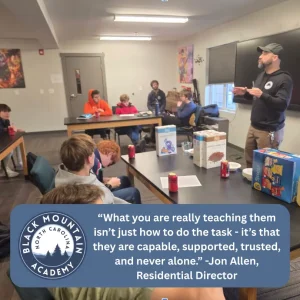
- Do it for them, and let them see that it can be done. One of the hardest things about teaching a young person life skills is that none of us are great at all of life’s skills. It’s possible to teach kids how NOT to do things but that strategy only works for so long. Start by coaching a new skill the way you learned them. If you don’t have a skill they need, find someone who does and move to step two.
- Do it with them, so they know that you are there to teach. Doing it for them only works if the young person knows that they are being taught. Once you have demonstrated a skill, ask them to join in and practice so they know you expect them to try. And in time, through coaching they can begin to master that skill.
- Watch them do it, so they know that you are there to support them. Observing someone practice a skill can backfire if you expect success or mastery early on. Learners fail a lot before a skill is mastered. Observe in a calm manner and without judgment. Don’t react when mistakes occur and be flexible about the outcome. Along the way, offer advice without an expectation of immediate success. It’s helpful to approach coaching moments so the young person is inspired and even having fun while learning a new skill.
- Let them take the lead, so they know that you trust them. Handing someone your expensive tools, letting them try to paint with your favorite paint brush, or having them start driving lessons is a profound display of respect and trust. Give them the proper tools and get out of the way. But be ready for something to break or for a challenge to arise.
- Let them do it on their own, so they know that they are capable. This is where it gets challenging. It’s hard to let someone do scary things on their own. Be brave and allow opportunities for safe struggle.
- Remind them how it should be done so they know you are there for them if they need you. Even if you are an amazing teacher and follow each of these steps, mastery of any skill is a long way off. Continue to coach even if your coaching can be annoying. It’s ok to annoy a kid every now and then, especially when they know you are invested in them and care about their success.
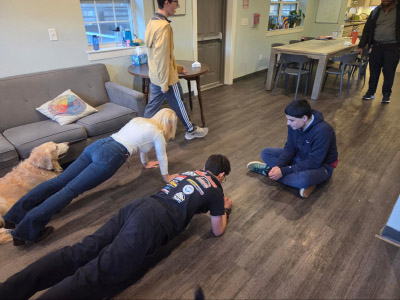
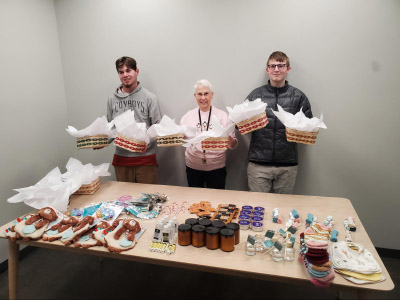
These are just suggestions and tend to work well with our students. There isn’t one way to teach young people. But no matter how you do it, remember your ultimate goal, remember what you are REALLY teaching them is that it’s possible to master hard skills, that they have support, they are trusted, they are capable, and you are there for them.These are just suggestions and tend to work well with our students. There isn’t one way to teach young people. But no matter how you do it, remember your ultimate goal, remember what you are REALLY teaching them is that it’s possible to master hard skills, that they have support, they are trusted, they are capable, and you are there for them.
Jon Allen, Residential Director